Melbourne’s famously changeable weather doesn’t just catch out anyone who leaves the house without an umbrella — it also shapes a very predictable rhythm of pest activity across the year. Different insects, rodents, and other unwelcome visitors thrive at different times, and knowing what to expect each season makes it far easier to catch an infestation early, rather than discovering one once it’s already established. Here’s a season-by-season breakdown of what Melbourne homeowners are most likely to deal with, and what to do about it.
Spring (September – November): The Wake-Up Call
As temperatures climb and rainfall increases, spring marks the point where pests that have been dormant or sluggish over winter become active again. This is peak breeding season for many common household pests, which makes it one of the most important times of year to get ahead of a problem before it grows.
- Ants: Warming soil triggers colony activity, and scout ants start appearing on kitchen benches and around door frames searching for food and water.
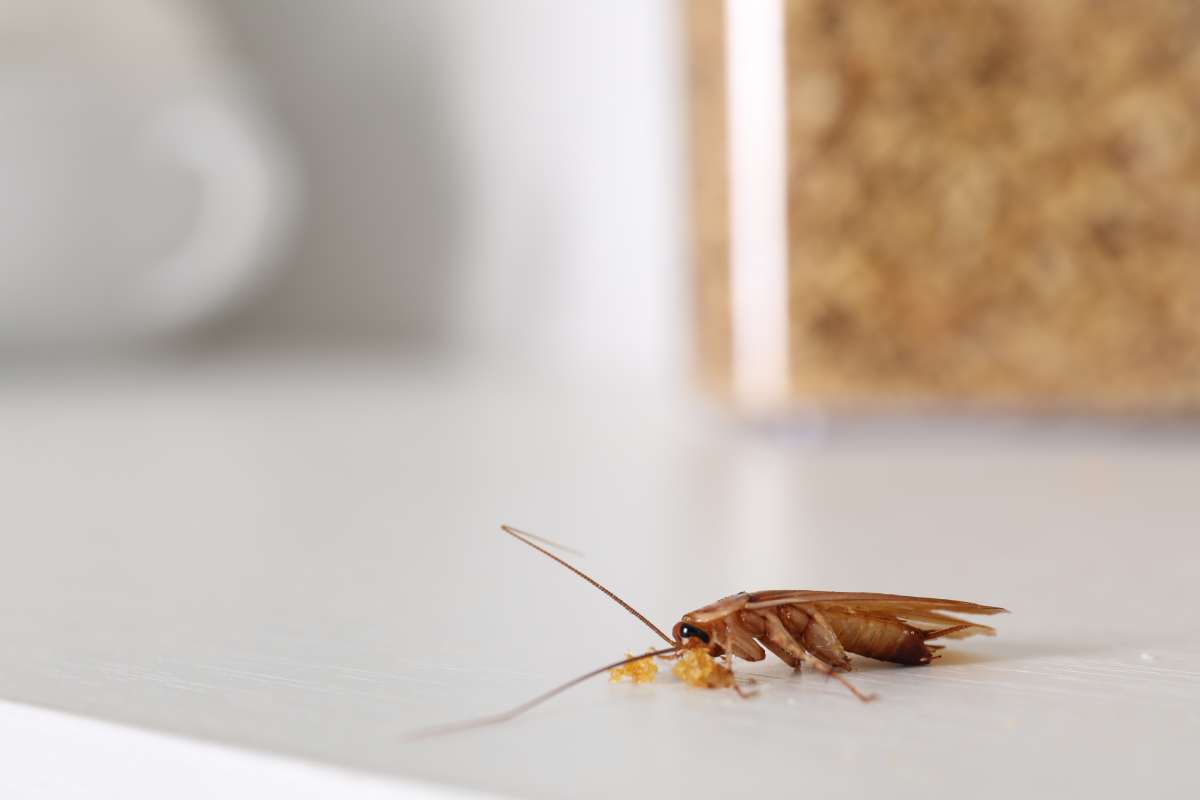
- Cockroaches: Both German and American cockroaches become noticeably more active, often emerging from wall cavities, drains, and subfloor spaces as the weather warms.
- Spiders: Spring is when many spider species, including redbacks and huntsmen, become more visible as they emerge to mate and rebuild webs in sheds, garages, and eaves.
- Wasps: Queen wasps that overwintered begin building new nests in roof voids, garden sheds, and under eaves.
- Termites: Spring swarming season sees winged termites (alates) take flight in large numbers, often after rain, which is frequently the first visible sign of an established colony.
Summer (December – February): Peak Season
Summer is when pest activity in Melbourne reaches its annual peak. Heat drives many insects and rodents indoors in search of shade, water, and food, while warm conditions accelerate breeding cycles across almost every common pest species.
- Flies and mosquitoes: Hot, still days bring a sharp rise in fly activity, while mosquito numbers spike after summer storms leave pooled water in gutters, pot plant saucers, and unused outdoor containers.
- Cockroaches: Numbers peak over summer, particularly in kitchens and bathrooms where warmth and moisture are abundant.
- Ants: Large foraging trails become common as colonies reach maximum size and actively seek out sugary and protein-rich foods.
- Rodents: While more associated with cooler months, mice and rats remain active over summer, often nesting in roof cavities to escape daytime heat.
- Fleas: Warm, humid conditions are ideal for flea breeding, and pets that spend more time outdoors over summer are more likely to bring them inside.
- European wasps: Nests reach full size by late summer, and this is when wasp stings and aggressive nest defence become most common.
Autumn (March – May): The Indoor Migration
As temperatures begin to drop, autumn triggers a noticeable shift: many pests that have spent the warmer months outdoors start looking for warmer, more sheltered places to see out the cooler months — and Melbourne homes are an obvious target.
- Rodents: This is one of the busiest periods for mice and rat activity indoors, as falling temperatures push them to seek shelter, food, and nesting material inside roof voids, wall cavities, and garages.
- Spiders: Many species move into sheds, garages, and basements seeking shelter, making autumn a common time to encounter redbacks in undisturbed corners.
- Cockroaches: Activity often increases indoors as outdoor populations seek warmth, particularly around hot water systems, kitchens, and laundries.
- Stink bugs and other overwintering insects: Various species begin congregating on sunny external walls before squeezing into roof spaces and wall cavities to overwinter.
Winter (June – August): Indoors and Out of Sight
Winter doesn’t mean pest activity stops — it simply moves indoors and underground, becoming harder to spot. Many infestations that surface visibly in spring actually took hold during winter, out of sight in roof cavities, subfloors, and wall voids.
- Rodents: Mice and rats are most active indoors during winter, nesting in insulation, behind appliances, and in roof spaces where it’s warm and dry.
- Termites: Colonies don’t go dormant over winter in Melbourne’s milder climate; they continue feeding on timber out of sight, which is why winter is an ideal time for a professional termite inspection before spring swarming begins.
- Cockroaches: Numbers drop outdoors but populations often persist indoors around heated areas like kitchens, bathrooms, and subfloor heating ducts.
- Silverfish: Cooler, humid conditions inside roof spaces, bathrooms, and storage areas make winter a common time for silverfish populations to build undetected.
How Melbourne’s Microclimates Change the Picture
Pest pressure isn’t identical across every Melbourne suburb. Leafy, established suburbs with mature gardens and older weatherboard housing stock tend to see higher termite and spider activity, simply because there’s more timber, mulch, and undisturbed garden space for colonies to establish. Inner-city apartments and townhouses, by contrast, often see more cockroach and rodent pressure, driven by shared walls, nearby food outlets, and higher-density living. Coastal and bayside suburbs can experience earlier mosquito and fly activity due to milder microclimates, while outer suburbs bordering bushland frequently report higher spider and ant numbers due to proximity to natural habitat. Understanding which of these categories a property falls into can help homeowners anticipate which pests are most likely to be a problem, rather than treating every season generically.
Why Year-Round Vigilance Matters
Because Melbourne’s seasons each bring a different mix of pest pressure, a one-off treatment rarely solves the underlying problem for good. Termite colonies and rodent populations, in particular, can establish themselves over months without an obvious sign, which is why many pest professionals recommend scheduled inspections rather than waiting for a visible infestation. Sealing entry points, removing standing water, keeping firewood and garden debris away from the house, and maintaining gutters all help reduce the conditions that attract pests in the first place — but they work best alongside regular professional checks rather than instead of them.
Getting Ahead of the Problem
Because each season brings a different combination of risks, the most effective approach is usually a proactive one rather than a reactive one — treating for ants in spring, wasps in summer, rodents in autumn, and termites in winter, rather than waiting until a problem is already visible inside the home. For Melbourne homeowners who want a tailored seasonal pest plan rather than guesswork, Pest Exterminator Melbourne provides local inspections and treatments suited to exactly these seasonal patterns, helping catch problems like termite activity or rodent nesting before they become costly.
Don’t Forget Pets
Seasonal pest pressure doesn’t stop at pests that affect the house itself — pets are frequently the entry point for fleas and other parasites, particularly through the warmer months when outdoor activity increases. The Australian Bulletin’s guide to fleas and how to get rid of them covers what to look for and how to break the flea life cycle at home, which pairs well with a broader seasonal pest routine.
The Bottom Line
Melbourne homes face a different pest profile every few months: ants and termites swarming in spring, cockroaches and wasps peaking in summer, rodents and spiders moving indoors in autumn, and quieter but no less serious termite and rodent activity continuing through winter. Understanding this seasonal rhythm — and acting on it before problems become visible — is the most reliable way to keep a home pest-free all year round.