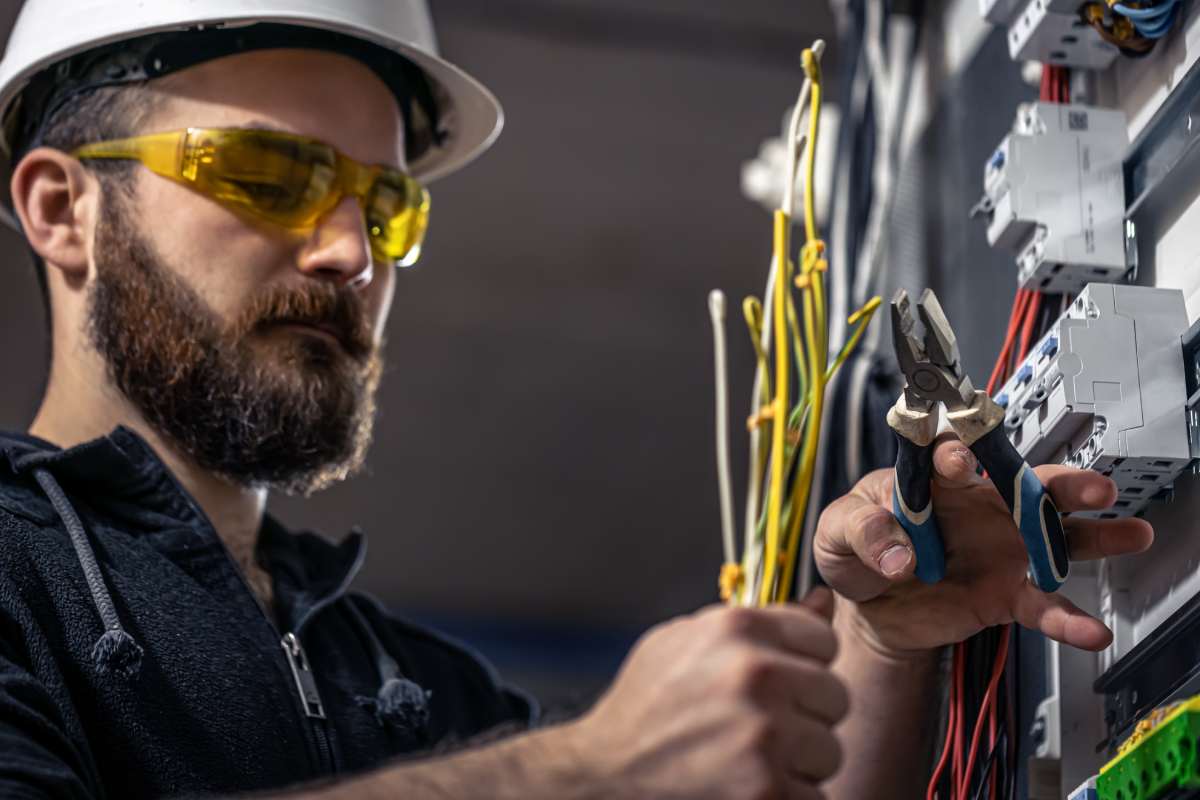
Electricity powers nearly every aspect of modern industry—from large-scale manufacturing plants and mining operations to food processing facilities and distribution centres. Behind the scenes of all this activity are highly skilled professionals known as industrial electricians. While many people are familiar with residential electricians who work in homes, industrial electricians operate in far more complex, high-demand environments where precision, safety, and technical expertise are critical.
This article takes a deep dive into what an industrial electrician is, what they do, where they work, and why their role is essential to keeping industries running smoothly.
What Is an Industrial Electrician?
An industrial electrician is a licensed tradesperson who specialises in installing, maintaining, testing, and repairing electrical systems in industrial settings. These settings typically include factories, warehouses, mining sites, power plants, and large-scale production facilities.
Unlike residential or commercial electricians, industrial electricians deal with:
- High-voltage systems
- Complex machinery and automation
- Programmable logic controllers (PLCs)
- Motor control systems
- Industrial-grade wiring and equipment
Their work is often more technical and specialised because industrial environments rely heavily on automated systems and continuous operations. Even a small electrical fault can lead to significant downtime and financial loss, which makes the role of an industrial electrician extremely important.
Where Do Industrial Electricians Work?
Industrial electricians are found in a wide range of industries across Australia and beyond. Some of the most common sectors include:
Manufacturing Plants
Factories producing goods such as automotive parts, food products, or machinery rely on electrical systems to power assembly lines, robotics, and conveyor systems.
Mining and Resources
Australia’s mining industry depends heavily on electrical infrastructure to operate heavy machinery, ventilation systems, and processing equipment.
Energy and Utilities
Power generation plants, renewable energy facilities, and substations require skilled electricians to maintain and monitor electrical systems.
Warehousing and Logistics
Modern warehouses use automated systems, including sorting machines and robotics, all of which require electrical expertise.
Water Treatment Facilities
These facilities rely on pumps, sensors, and control systems to manage water supply and treatment processes.
What Do Industrial Electricians Do?
The day-to-day tasks of an industrial electrician can vary depending on the workplace, but their responsibilities typically fall into several key areas:
1. Installation of Electrical Systems
Industrial electricians are responsible for installing complex electrical systems in new facilities or during upgrades. This includes:
- Running heavy-duty wiring and cabling
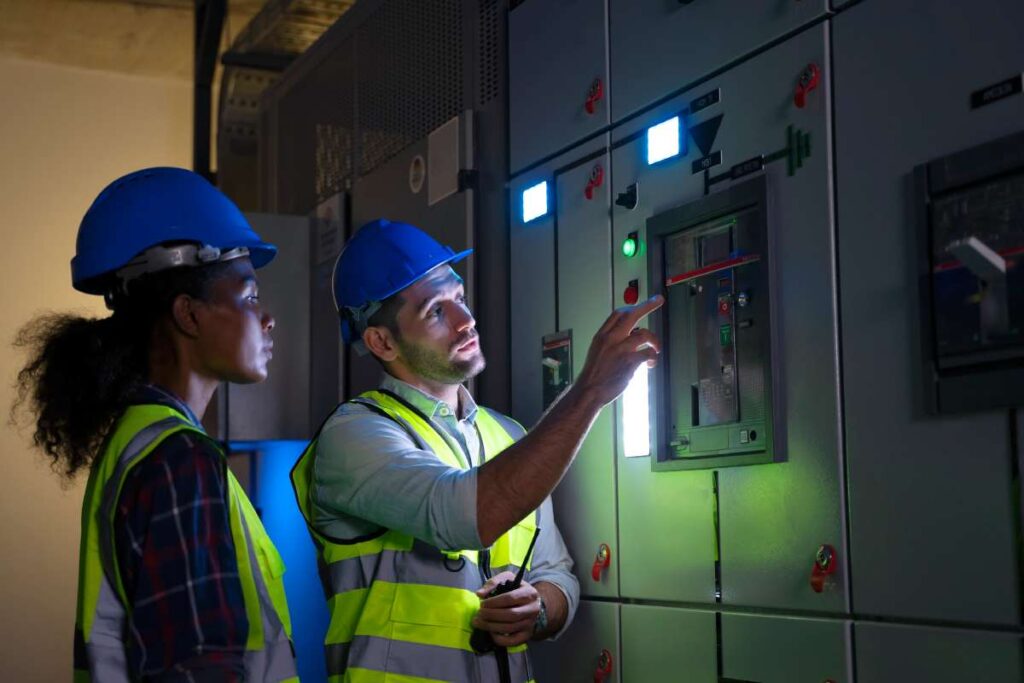
- Installing switchboards and distribution panels
- Setting up motors and drives
- Connecting machinery to power sources
- Installing control systems and automation equipment
Unlike residential wiring, industrial installations often involve three-phase power systems and specialised components designed to handle higher loads.
2. Maintenance and Servicing
Preventive maintenance is a huge part of an industrial electrician’s job. Regular servicing helps avoid unexpected breakdowns and keeps operations running efficiently.
Maintenance tasks may include:
- Inspecting wiring and connections
- Testing circuit performance
- Checking motors and control systems
- Replacing worn or faulty components
- Lubricating and servicing electrical equipment
In industries where downtime is costly, scheduled maintenance is critical to productivity.
3. Troubleshooting and Repairs
When something goes wrong, industrial electricians are the ones who step in to diagnose and fix the issue. This often involves:
- Identifying electrical faults in machinery
- Using diagnostic tools and testing equipment
- Reading schematics and technical diagrams
- Repairing or replacing damaged components
- Restoring systems to full operation quickly
Troubleshooting in industrial environments can be complex, as faults may involve multiple interconnected systems.
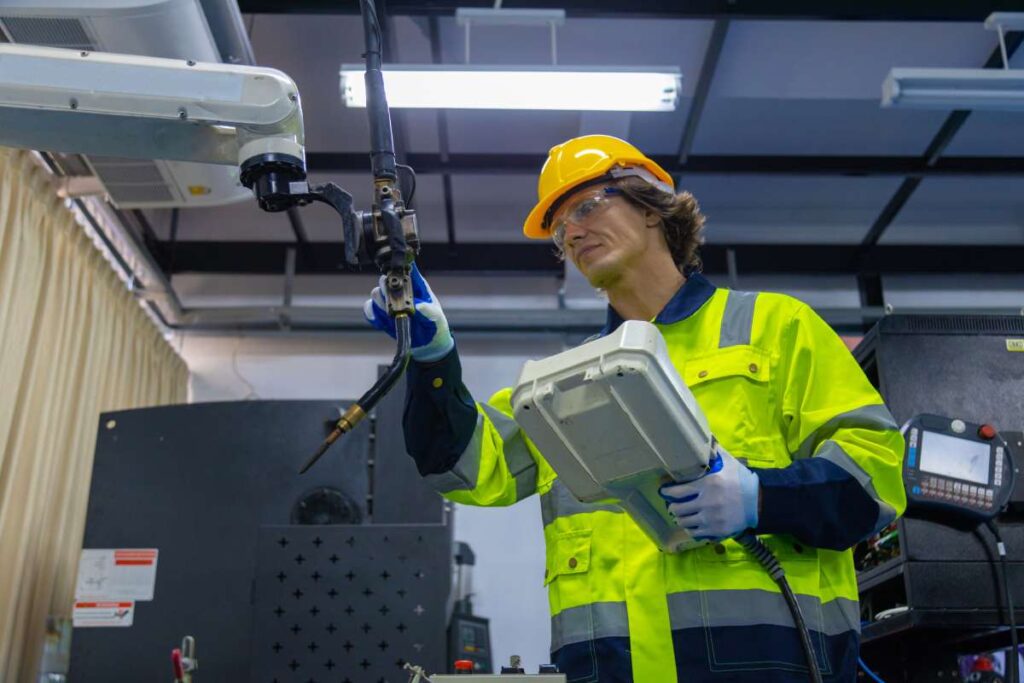
4. Working with Automation and Control Systems
Modern industrial facilities rely heavily on automation. Industrial electricians often work with:
- Programmable Logic Controllers (PLCs)
- Human-Machine Interfaces (HMIs)
- Sensors and instrumentation
- Robotics and automated machinery
They may program, test, and maintain these systems to ensure efficient and accurate operation.
5. Ensuring Safety and Compliance
Safety is one of the most critical aspects of an industrial electrician’s role. They must ensure that all electrical systems comply with Australian standards and workplace safety regulations.
This includes:
- Following strict safety protocols
- Conducting risk assessments
- Installing safety devices such as circuit breakers and emergency stops
- Ensuring proper grounding and insulation
- Maintaining documentation and compliance records
Industrial environments can be hazardous, so electricians must be vigilant and well-trained in safety procedures.
6. Upgrading and Optimising Systems
As technology evolves, industrial electricians are often involved in upgrading systems to improve efficiency and reduce energy consumption.
This may involve:
- Retrofitting older machinery with modern controls
- Installing energy-efficient systems
- Integrating renewable energy solutions
- Improving automation processes
These upgrades can significantly enhance productivity and reduce operational costs.
Skills Required to Be an Industrial Electrician
Industrial electricians need a strong combination of technical knowledge and practical skills. Some of the most important include:
Technical Expertise
A deep understanding of electrical systems, circuits, and industrial equipment is essential.
Problem-Solving Skills
Diagnosing faults in complex systems requires logical thinking and attention to detail.
Ability to Read Technical Drawings
Industrial electricians must interpret blueprints, schematics, and wiring diagrams accurately.
Physical Fitness
The job can be physically demanding, involving lifting, climbing, and working in confined spaces.
Communication Skills
They often work as part of a team and must communicate clearly with engineers, operators, and other trades.
Safety Awareness
A strong focus on safety is non-negotiable in industrial environments.
How Is an Industrial Electrician Different from Other Electricians?
While all electricians work with electrical systems, industrial electricians stand out in several ways:
| Aspect | Industrial Electrician | Residential Electrician |
|---|---|---|
| Work Environment | Factories, mines, plants | Homes and apartments |
| Voltage Levels | High voltage, three-phase | Lower voltage, single-phase |
| Systems | Machinery, automation, PLCs | Lighting, outlets, appliances |
| Complexity | Highly complex systems | Relatively simple systems |
| Downtime Impact | Very high | Moderate |
This distinction highlights why industrial electricians require more specialised training and experience.
Training and Qualifications in Australia
To become an industrial electrician in Australia, individuals typically need to:
- Complete an electrical apprenticeship (usually 4 years)
- Obtain a Certificate III in Electrotechnology Electrician
- Gain hands-on experience in industrial settings
- Obtain the necessary electrical licence
- Undertake additional training in automation or PLCs (optional but valuable)
Many industrial electricians continue to upskill throughout their careers to keep up with evolving technology.
Why Industrial Electricians Are Essential
Industrial electricians play a vital role in keeping industries operational. Without them:
- Production lines would halt
- Machinery would fail without repair
- Safety risks would increase
- Energy systems would become inefficient
Their work ensures that businesses can operate safely, efficiently, and without costly interruptions.
Challenges of the Job
While the role is rewarding, it also comes with challenges:
- Working in high-risk environments
- Dealing with complex and sometimes unpredictable systems
- Being on call for emergency repairs
- Working long or irregular hours in some industries
However, for those who enjoy hands-on work and problem-solving, it can be a highly satisfying career.
The Future of Industrial Electricians
As industries continue to embrace automation, smart technology, and renewable energy, the demand for skilled industrial electricians is expected to grow.
Emerging trends include:
- Increased use of robotics and AI
- Expansion of renewable energy systems
- Smart factories and Industry 4.0
- Advanced monitoring and control systems
Industrial electricians who stay up to date with these trends will be well-positioned for long-term career success.
Final Thoughts
Industrial electricians are the backbone of modern industry, ensuring that complex electrical systems and machinery operate reliably and safely. Their work goes far beyond basic wiring—they are problem-solvers, technicians, and essential contributors to productivity across multiple sectors.
If you’re operating an industrial facility or planning a project that requires expert electrical work, it’s crucial to partner with experienced professionals who understand the demands of industrial environments. For reliable service and expert support, consider reaching out to Reds Power Industrial Solutions in Sydney to ensure your operations remain efficient, safe, and future-ready.