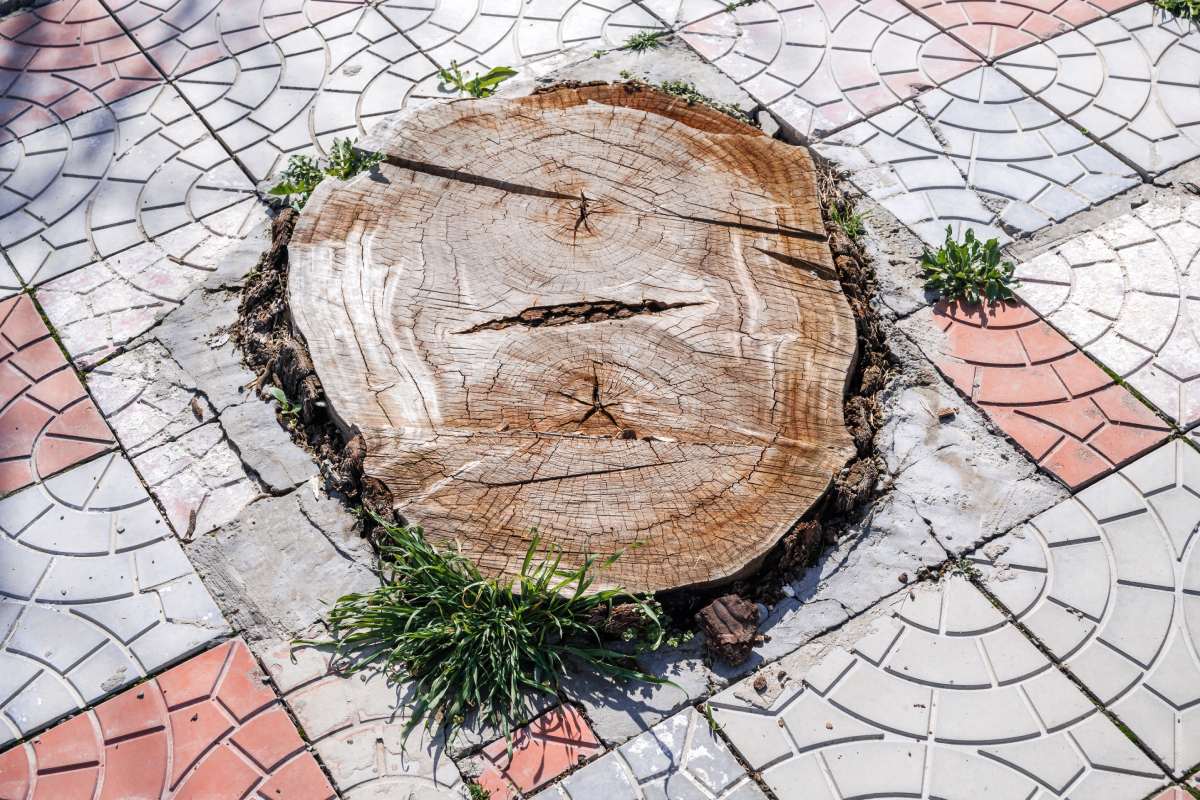
If you’ve ever tried to remove a tree stump from your yard, you’ll know it’s not as simple as grabbing a shovel and digging it out. What looks like a harmless leftover piece of wood can quickly turn into one of the most stubborn obstacles in landscaping. Whether you’re clearing space for a new garden, improving your property’s appearance, or preventing pest issues, stump removal is often much tougher than expected.
So, why exactly are tree stumps so hard to remove? And more importantly, what’s the best way to get rid of them efficiently and safely? Let’s break it down clearly and practically.
Why Tree Stumps Are So Difficult to Remove
1. Extensive Root Systems Beneath the Surface
The biggest reason tree stumps are hard to remove lies underground. What you see above the surface is only a small portion of the tree’s structure. Beneath it is a complex root system that spreads wide and deep.
Depending on the species, roots can extend:
- Two to three times the width of the tree canopy
- Deep into compact soil layers
- Around obstacles like rocks, pipes, and foundations
Even after the tree removal, these roots remain firmly embedded in the ground, anchoring the stump in place. Trying to remove it means dealing with all those hidden connections.
2. Natural Strength and Density of Wood
Trees are built to withstand harsh conditions—strong winds, storms, and years of growth. Their wood is incredibly dense and durable, especially in hardwood species like eucalyptus (common in Australia).
This density makes:
- Cutting through the stump physically demanding
- Splitting the wood extremely difficult
- Breaking roots a time-consuming process
In many cases, the stump is just as tough as the tree was when it was standing.
3. Soil Compaction and Environmental Factors
Over time, the soil around a tree becomes compacted due to:
- Root growth
- Water absorption and drainage patterns
- Foot traffic or machinery
This compacted soil tightly grips the roots, making excavation harder. In places like Perth, where soil conditions can vary from sandy to clay-heavy, this can significantly impact how difficult the removal process becomes.
4. Regrowth and Living Roots
Even after a tree is cut down, the stump can remain biologically active. Some species will:
- Sprout new shoots from the stump
- Continue feeding off stored nutrients
- Send up suckers from the roots
This means the stump isn’t just dead wood—it can still behave like a living organism, making it even more stubborn to eliminate completely.
5. Size Matters More Than You Think
The larger the tree, the harder the stump removal. Bigger stumps mean:
- Thicker roots
- Greater depth
- Heavier weight
A small garden tree might be manageable with effort, but a mature tree stump can weigh hundreds of kilograms and require specialised equipment.
6. Hidden Hazards Underground
Another challenge is what you can’t see. Tree roots often grow near:
- Underground pipes
- Electrical cables
- Drainage systems
Digging blindly can lead to costly damage or even safety risks. This is one of the key reasons why stump removal isn’t always a DIY-friendly task.
The Best Ways to Remove a Tree Stump
Now that you understand why tree stumps are so difficult, let’s look at the most effective ways to remove them. Each method has its pros and cons depending on your situation.
1. Manual Removal (Digging It Out)
This is the most traditional method and involves:
- Digging around the stump
- Exposing the roots
- Cutting through them with tools like axes or saws
- Levering the stump out of the ground
Best for: Small stumps or shallow-rooted trees
Pros:
- Low cost
- No chemicals or machinery required
Cons:
- Extremely labour-intensive
- Time-consuming
- Not practical for large stumps
2. Stump Grinding (Most Effective Method)
Stump grinding is widely considered the best and most efficient method. It uses a specialised machine to grind the stump down below ground level.
How it works:
- A rotating cutting wheel chips away the wood
- The stump is reduced to wood chips
- The area can then be filled and levelled
Best for: Medium to large stumps
Pros:
- Fast and efficient
- Minimal disruption to surrounding area
- No need to remove large root systems
Cons:
- Requires professional equipment
- Doesn’t remove all roots (but usually enough for landscaping)
3. Chemical Removal
This method speeds up natural decomposition using chemicals (often potassium nitrate-based products).
How it works:
- Holes are drilled into the stump
- Chemicals are added to accelerate decay
- Over time, the stump softens and breaks down
Best for: People who aren’t in a hurry
Pros:
- Low effort
- Minimal physical work
Cons:
- Can take weeks or months
- Chemicals may not be environmentally friendly
- Still requires eventual removal
4. Burning the Stump
In some cases, burning can be used to remove a stump.
How it works:
- The stump is dried out
- Fuel is added
- The stump is burned slowly over time
Best for: Rural properties where burning is permitted
Pros:
- Reduces stump significantly
Cons:
- Fire risk
- Not allowed in many areas (including parts of Perth)
- Can damage surrounding soil
5. Natural Decomposition
This is the “do nothing” method—letting nature take its course.
Best for: Areas where the stump isn’t in the way
Pros:
- No cost
- Eco-friendly
Cons:
- Can take years
- Attracts pests like termites and ants
- Can become a safety hazard
What’s the Best Method Overall?
For most homeowners, stump grinding is the best balance of speed, efficiency, and practicality. It avoids the back-breaking labour of manual removal and doesn’t require waiting months like chemical methods.
If you’re dealing with:
- A large stump
- Multiple stumps
- Tough hardwood species
- Limited time
Then, professional arborist stump grinding is almost always the smartest option.
Why Professional Help Makes a Big Difference
While DIY methods might seem appealing, stump removal can quickly become overwhelming. Professionals bring:
- Specialised equipment that handles even the toughest stumps
- Experience dealing with different tree species and soil types
- Safety awareness, especially around underground utilities
- Time efficiency, completing in hours what might take days
In addition, professionals can ensure the stump is removed properly, reducing the risk of regrowth or pest infestations.
Common Mistakes to Avoid
If you’re planning to remove a stump, try to avoid these common pitfalls:
- Underestimating the size of the root system
- Using the wrong tools, leading to wasted effort
- Ignoring safety risks, especially with digging or burning
- Leaving part of the stump behind, which can regrow
- Not checking local regulations (especially for burning)
Final Thoughts
Tree stumps are deceptively difficult to remove because they’re deeply rooted, incredibly strong, and often still biologically active. What seems like a simple landscaping task can quickly turn into a major project without the right tools and approach.
While there are several methods available, stump grinding stands out as the most effective solution for most situations. It’s fast, efficient, and minimises disruption to your property.
Need Help Removing a Tree Stump?
If you’re dealing with a stubborn stump and want the job done properly without the hassle, it’s worth bringing in the experts. The team at AB Trees in Perth specialises in professional tree and stump removal, using the right equipment and techniques to get the job done safely and efficiently.
Whether it’s a small backyard stump or a large, deeply rooted tree base, reaching out to a trusted local service can save you time, effort, and potential headaches. Get in touch with them today to discuss your needs and take the first step toward reclaiming your outdoor space.